




Send us your details and we will set up a free demo session.
Assess each employee against the competencies their role requires, making individual strengths and development areas visible before the plan is created.
Give employees clear development insights, with each score explained against what their role requires, so they understand their priorities and what to work on next.
Direct L&D investment towards measured development needs, making it easier to prioritise training where the organisation has the greatest capability gaps.
Turn assessment results into individual development plans, with clear priorities based on the areas each employee needs to strengthen.
Each manager gets a clear view of each employee’s development priorities, helping them focus coaching conversations on the areas that matter most.
Give employees visibility into their development priorities and progress, encouraging greater ownership and accountability for their development journey.
Map development priorities to relevant actions, from targeted learning to structured workplace practice, so every development priority has a clear next step.
Schedule reassessments at the right intervals, with follow-up assessments triggered automatically so L&D can track development without adding administrative work.
Align individual development with your organisation’s competency framework, so capability growth supports the skills and behaviours the business considers critical.
Step 1: Define the Talent Objective:
Decide what the development plan needs to achieve, whether stronger performance in the current role or readiness for the next one.
Step 2: Map the Target Competencies:
Set the competencies and proficiency levels the employee needs against your role and competency framework.
Step 3: Customise the Right Assessment:
Build the assessment around the employee’s role and level, measuring what success actually requires.
Step 4: AI Proctored Assessment Platform:
Launch the assessment online with ProctorVision configured to maintain assessment integrity.
Step 5: Observe Real Behaviour:
Use case exercises, in-basket tasks and role-plays to observe how employees apply their capabilities.
Step 6: Measure Capability and Potential:
Score each competency against the required standard and assess potential separately to identify future growth areas.
Step 7: Consolidated Talent Reports:
Show employee development priorities and manager-level team capability in ReportCard, using the same assessment results.
Step 8: Recommend Development Actions:
Turn assessment results into a development plan, linking each priority competency to targeted actions.
Step 9: Guide the Development Journey:
Deliver the plan through your existing communication channels, and notify the manager when a development discussion is due.
Step 10: Reassess and Track Progress:
Reassess at the agreed interval and compare scores with the baseline to track competency-level progress.
A development plan can only be judged by whether the capability it targeted actually improved. AssessHub connects development plans with measurable evidence, giving HR and managers a clearer view of progress over time, the areas where employees are advancing, and where additional support may be needed to sustain development. (Figures based on aggregated client outcomes across AssessHub’s talent development deployments, using pre and post capability data across 100+ client accounts from 2015 to 2026)
Turn assessment evidence into plans tailored to each person’s needs.
Map assessed strengths and gaps to specific actions, avoiding broad recommendations that offer little direction.
Show what each employee should develop.
Translate individual assessment results into goals linked to role competencies, so every plan addresses meaningful gaps and builds on existing strengths.
Keep goals visible and make progress easy to review.
Give employees and managers clear milestones for follow-up, so agreed development actions receive sustained attention.
Connect assessed needs with personal career direction.
Combine role expectations with employee aspirations to recommend actions that support present performance and long-term growth.
Give managers clear evidence for discussion.
Manager-ready reports show strengths, gaps, and suggested actions, making coaching discussions more specific and actionable.
Reassess skills as people move forward.
Compare baseline and later assessments to see where capability has improved, where gaps remain, and which goals need attention.
Use practice, coaching, and learning together.
Match each goal with relevant learning, workplace assignments, and practical coaching support.
Move agreed actions into existing systems.
Share assessment-led priorities with HR and learning systems so development actions stay accessible alongside employee records.
An individual development plan gives each employee a clear development reference, but HR also needs visibility across the wider workforce. AssessHub brings employee, manager and organisational views together across roles and levels, helping teams coordinate development, maintain consistency and make better-informed talent decisions.
The assessment covers functional knowledge, aptitude, communication, behaviour and integrity, and identifies the capabilities each employee needs to build, giving the individual development plan a clear basis for setting priorities. The competencies below are some of the areas it measures:

Evaluate how clearly someone sets objectives, breaks them into steps and manages progress against the goals their role carries.

Assess how someone approaches unfamiliar problems, considers different perspectives and works towards a practical solution.

Measure how well someone works with others, draws on different skills and contributes to shared outcomes.
Assess how readily someone adjusts to changing priorities, responsibilities and ways of working.
Evaluate how someone recognises their own reactions, reads others and responds effectively in difficult situations.
Measure how consistently someone takes ownership of their progress and follows through without constant supervision.
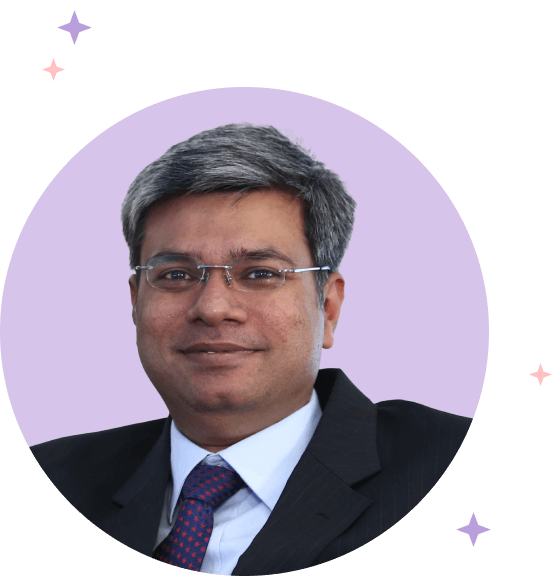
As a bank, we always have to hire the right sales people in huge volumes and at great speed.
Using AssessHub’s platform we were able to screen, assess and offer over 5000 candidates with zero recruiter involvement.
Considering our strict quality parameters and the stiff timelines, this is a BIG Win for us.
Happy Customers
Counrties Served
Assessments Delivered
Roles Assessed






A measured gap shows where an employee stands today. Turning that gap into meaningful development requires knowing which action will address it, and that answer is different for every employee in the same role. AssessHub builds the development plan from assessment results, so priorities are grounded in evidence, aligned to your competency framework and measurable over time. This gives HR greater confidence in where development investment goes, managers a clearer basis for coaching, and employees a plan built around what they actually need to improve.